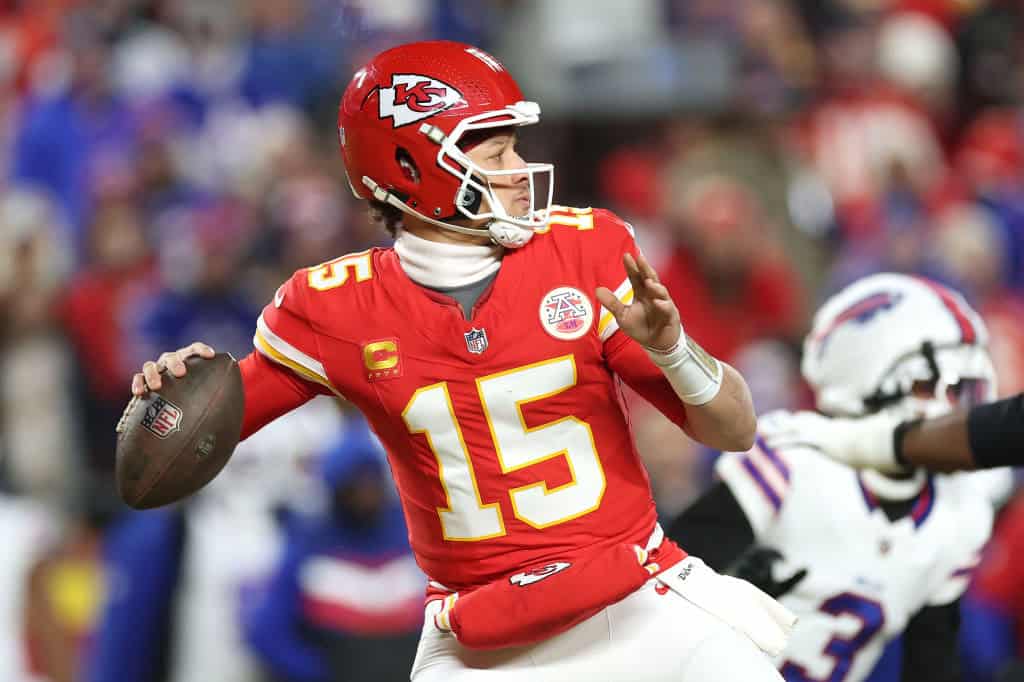
Fantasy football has transformed how millions of fans engage with the sport. No longer are enthusiasts just rooting for their favorite team; they're dissecting individual performances, celebrating touchdowns from rival teams, and agonizing over every stat. This heightened interest has made the weekly NFL game a personal chess match, where success often hinges on one critical element: the NFL injury report. For savvy fantasy managers, truly mastering the art of interpreting the official weekly update – sometimes referred to colloquially as the "footy injury report" by broader football enthusiasts – is akin to having a crystal ball.
The stakes are high. One key player's unexpected absence or limited role can derail a carefully planned lineup, while spotting a sleeper due to an opposing player's injury can be a league-winning move. While the official reports provide a surface-level overview, the real genius lies in reading between the lines, understanding the motivations behind the reporting, and recognizing the subtle cues that signal true player availability and effectiveness.
The Insider's Code: Protecting Player Privacy
Before diving into the specifics of deciphering injury reports, it's crucial to understand the foundational principle governing their creation: player privacy. From the perspective of an NFL athletic trainer, like the Head Athletic Trainer of the Jacksonville Jaguars mentioned in our reference, medical information is sacrosanct. A strict "Rule #1" dictates that no details about a player’s injury are discussed beyond what is publicly reported. This isn't just a professional courtesy; it’s a standard learned from seasoned mentors, like Ronnie Barnes of the New York Giants, and a protocol designed to protect the private medical issues of players as full-time employees of the NFL.
This stringent approach means that fantasy football owners will never get the unvarnished, detailed medical truth directly from team personnel. The information released is carefully vetted and often strategically framed. While this might seem frustrating for fantasy managers, it’s a necessary aspect of professional sports. Therefore, your task isn't to uncover confidential medical files, but to become an expert at interpreting the *publicly available* data through a strategic lens. Recognizing this inherent limitation is the first step in mastering the Crack the NFL Injury Code: Your Fantasy Football Edge.
Decoding the Official Player Statuses: Probable, Questionable, Doubtful
The NFL's official injury designations are the bread and butter of your weekly research. While they appear straightforward, understanding the nuances of these terms is essential. Let’s break down the traditional percentages associated with each status:
- Probable (75% Chance of Playing): This designation historically meant a player was highly likely to play. They might be dealing with a minor ailment, but it’s not expected to sideline them. For fantasy purposes, a "Probable" player is generally a safe bet for your lineup. However, it's worth noting that the "Probable" tag was actually removed by the NFL in 2016 to simplify reports, meaning players who would previously be "Probable" are now often left off the report entirely or listed as "Questionable" even for minor issues. This makes the "Questionable" tag even more critical to analyze.
- Questionable (50% Chance of Playing): This is arguably the most ambiguous and most vital designation for fantasy managers. A "Questionable" player truly is a toss-up. They could be a game-time decision, a strategic decoy to confuse the opponent, or genuinely 50/50. This is where your deeper analysis comes into play. You need to look for additional clues to determine if a "Questionable" player is leaning towards playing or sitting.
- Doubtful (25% Chance of Playing): When a player is listed as "Doubtful," it's a strong indicator that they will not play. While there’s a slim chance, it’s rare for a player with this tag to suit up. For fantasy purposes, you should almost always plan to bench a "Doubtful" player.
- Out (0% Chance of Playing): This is definitive. An "Out" player will not play in the upcoming game. Simple and clear.
- Injured Reserve (IR): Players on IR are out for a minimum number of weeks (currently four, but varies by year and rules), or for the remainder of the season. They are not options for your weekly lineup.
Beyond these, you might also see "NIR - Rest" (Not Injury Related - Rest), often applied to veteran players like Khalil Mack or Hunter Henry in the provided Chargers report. This signifies a planned day off for maintenance, not an actual injury that would prevent them from playing. They are typically full go on Sunday.
For more detailed insights into these crucial classifications, refer to our article: Decoding NFL Player Status: Probable, Questionable & Reps.
The Golden Reps: Practice Participation as the Ultimate Tell
While the official status provides a percentage, a player's practice participation throughout the week offers far more actionable intelligence. NFL coaches, especially offensive and defensive coordinators, treat practice reps like "gold." The limited, high-quality repetitions on Wednesday, Thursday, and Friday are critical for building chemistry, executing game plans, and ensuring preparedness.
What to Look For:
- Full Participation (FP): A player who practices fully all week, especially after dealing with an ailment, is almost certainly going to play and likely be close to 100%. This is the best indicator of readiness.
- Limited Participation (LP): This is a grey area, particularly for "Questionable" players. A veteran might be "limited" early in the week but ramp up by Friday. A crucial indicator is *when* they are limited and *what* they are limited in. If a skill position player is limited significantly in cutting or sprinting drills late in the week, it's a red flag. However, if a veteran lineman is just getting a maintenance day, it's less concerning. The key here is consistency and progression; look for increasing participation as the week progresses.
- Did Not Participate (DNP): A player who does not practice at all during the week, or is a DNP on Friday, is highly unlikely to play, regardless of their "Questionable" tag. This is a strong signal to bench them, even if there's a slim chance they suit up. The lack of "golden reps" makes them a massive risk.
Consider the scenario: if a star veteran cornerback is genuinely doubtful, the coaching staff will prioritize getting their young backup "the reps" with the starting defense. This ensures the backup is ready for the game plan. Conversely, if a "Questionable" starter is logging valuable practice reps with the "number ones" (the starting unit), it signals the team expects them to play. These insider cues are invaluable for the fantasy manager who wants to stay ahead.
Beyond the Report: Advanced Scouting for Fantasy Managers
Mastering the footy injury report extends beyond merely reading the official NFL updates. To truly gain an edge, you must synthesize information from various sources and apply strategic thinking.
Key Strategies for Deep Analysis:
- Monitor Beat Reporters: Follow trusted team beat writers on social media or their news outlets. These reporters often have sources close to the team (though not medical personnel) and can provide unofficial updates on practice participation, player demeanor, or general sentiment around a player's status. They might report a player "looked good in practice" or "was moving gingerly."
- Analyze Opponent Matchups: Sometimes, teams might be more cautious with a star player if they face a weaker opponent or have a bye week coming up. Conversely, in a crucial divisional game, a player might be pushed to play through a minor injury.
- Player's Injury History: Does a player have a history of lingering hamstring issues, or are they quick to return from specific injuries? Understanding their past can help predict their current recovery timeline and risk level. Some players are more prone to re-injury.
- Positional Importance: The impact of an injury varies by position. A backup offensive lineman’s injury is less impactful on fantasy than a starting quarterback's or lead running back's. Pay close attention to injuries at skill positions.
- Coach Speak vs. Reality: Coaches are masters of misdirection. Listen to press conferences, but filter the information through your understanding of team strategy. A coach might say a player is a game-time decision, even if practice participation suggests otherwise, to keep the opponent guessing.
- Friday is Your Friend: The Friday practice report is often the most critical. It reflects the player's status heading into the weekend. Any downgrade on Friday, or a DNP, is a major red flag. Conversely, an upgrade to full participation is excellent news.
Remember, the NFL is a "chess match," and injury reports are a crucial piece of that game. Coaches use them not just to inform but also to mislead opponents. By understanding the percentages, monitoring practice, and incorporating external insights, you can often discern medical decoys from genuinely healthy players. This holistic approach will give you a significant advantage in your fantasy league.
Conclusion
In the high-stakes world of fantasy football, intelligence is currency. The ability to meticulously analyze the NFL injury report, and indeed any footy injury report, is a skill that separates the casual player from the true competitor. By understanding the ethical boundaries of medical information, deciphering the nuanced language of official statuses, scrutinizing practice participation, and integrating advanced scouting techniques, you can transform uncertainty into strategic advantage. This comprehensive approach won't just improve your chances of winning; it will make you look like a genius in your league, consistently making informed decisions that leave your opponents wondering how you always seem to know. Embrace the challenge, delve into the details, and watch your fantasy football fortunes change.